Are you prolific or productive?

“He set himself to learn many things, and when he had begun them, gave them up”.
So said Georgio Vasari, Renaissance painter and art historian, when writing about Leonardo Da Vinci in 1550, just 31 years after his death.
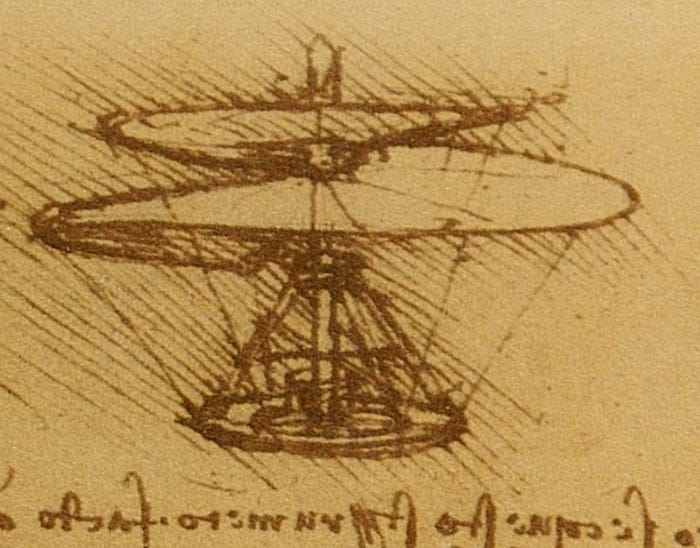
Leonardo is what we’d call a polymath. A curious and brilliant innovator across multiple disciplines, spanning art, culture, philosophy and engineering. Of course whilst everyone knows him for his paintings, some of which are undoubtedly the most well known and most recognised of all time, he was hundreds of years before his time on thinking around hydraulics, aerospace and even tanks.
In spite of all this achievement, there were people, in his time, who claimed he was flakey. A starter, but not a finisher. A dabbler. A chronic procrastinator. Some believe that he probably had a form of ADHD.
What is the lesson one should draw from this bizarre contradiction? That Leonardo could simultaneously be a renowned polymath across many disciplines, but also be so unreliable? What should we make of this?
An obvious takeaway is that starting is in fact more important than finishing, as counter-intuitive as that may sound. Another way to think about this is in the form of a question: what is the difference between being prolific and productive?
These two words, prolific and productive, mean completely different things, but they are often conflated in discourse and debate on “agency”, “achievement” and entrepreneurship, especially in the startup/tech industry context.
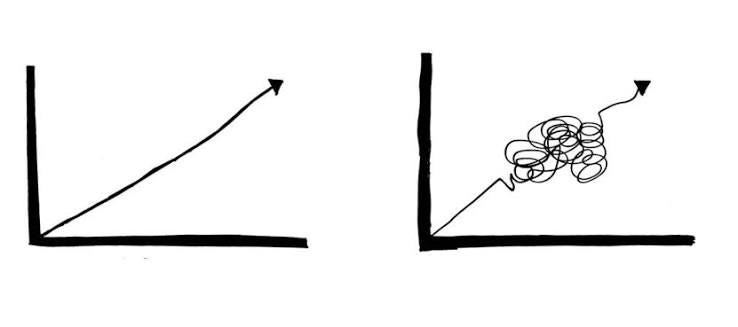
There are critical differences. Productivity is linear and binary (start→complete), whilst being prolific is divergent and unpredictable (start, start, start, complete). Productivity is about efficiency and output, being prolific is about maximising the surface area for luck, discovery and breakthroughs.
It’s interesting to ponder the value of being Prolific vs Productive in the Age of AI. When the “cost of work” was high, getting shit done, being someone who finishes things was of supreme high value and importance. Every wrong turn, every pivot and every unfinished project left on the shelf, was incredibly costly.
However, if the cost of work, the cost of tinkering, the cost of discovery and exploration continues to plummet, perhaps it is the prolific ones who stand to gain the most and grow in both value and status. This is because people who tend to be “prolific” are better optimised for serendipity.
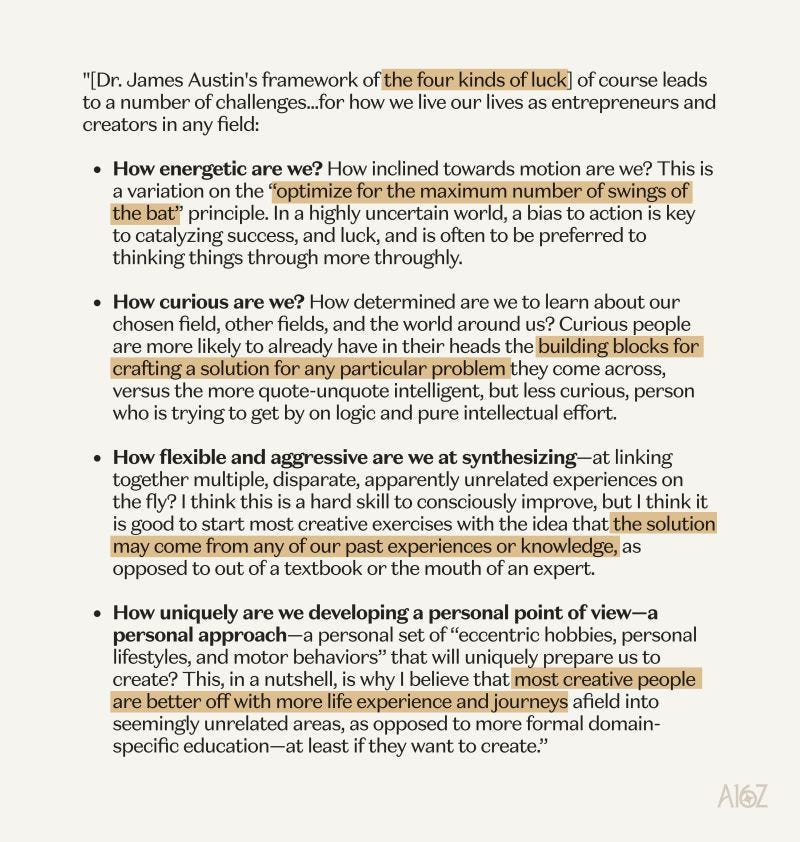
Society tends to bias towards rewarding structure, discipline and reliability, for fairly obvious and historically-well-intended reasons. As a consequence, many feel guilty about being more prolific than productive.
However, in an age of great change and upheaval, we should remember that it is ultimately the generalists, the crazy ones and those propelled forward by an “unquenchable curiosity”, that could help usher in a new golden age, or dare I say it, a new renaissance.
Keep tinkering!